
Understanding Steel Building Fire Safety
Fire behaves differently in steel than in wood, so learning proper steel building fire safety is the first line of defense. Steel will not ignite, yet a severe building fire can still weaken members if left unchecked. Knowing how heat travels through a metal building helps owners create smarter protection plans.
Every plan starts with risk. Machinery, solvents, or welding sparks can raise interior temperatures fast. Early alarms, clear exits, and sound housekeeping habits stop danger long before beams feel stress.
Finally, put it in writing. Post procedures, train employees, and review drills often. Turning guidelines into habit is the simplest, cheapest way to keep people and property safe.
Fire-Resistant Materials and Protective Materials for Stronger Steel Beams
Bare steel conducts heat quickly, so coating columns and girders matters. Intumescent paint, sprayed fiber, and board-type wraps top the list of proven fire-resistant materials. These protective materials swell or insulate when flames strike, buying crucial minutes.
Correct thickness is key. A half-inch of fiber at low load may suffice, while heavy steel beams in a data center need thicker coats. Match protection to hazard, and test adhesion yearly.
Durable finishes do more than meet code – they shield against daily bumps and moisture, protecting steel from rust that could hide under decorative panels. Smart prep today prevents costly shutdowns tomorrow.
Keeping Structural Integrity of Structural Steel at High Temperatures
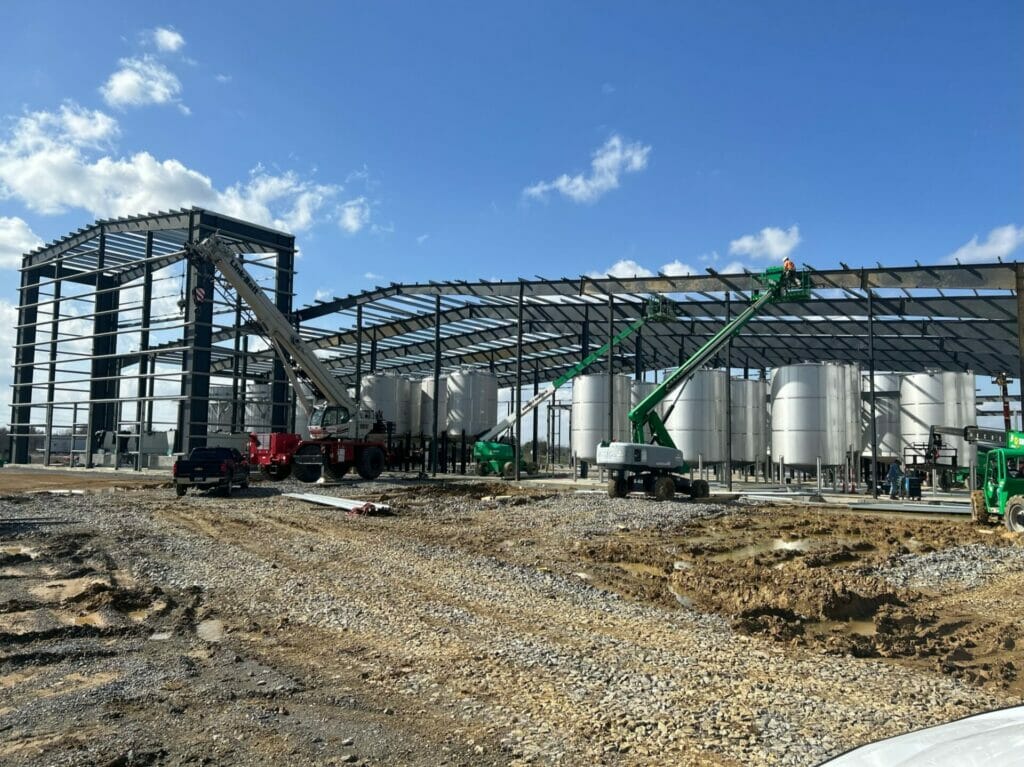
Unchecked heat can soften steel near 1,000 °F, but thoughtful design helps maintain structural integrity. Use continuous steel framing that redistributes load if one member warms. Add stiffeners where connections meet; these joint guards limit warping.
Vent smoke fast. Roof vents and draft stops evacuate hot gases so framing never sees peak furnace conditions. Lower temperatures mean fewer retrofits and safer crews.
Plan for sprinklers early. Water curtains drop thermal loads quickly, keeping structural steel well below critical creep points even when machines fail or pallets ignite. Protection and structure must work together, not apart.
Fire Testing, Local Building Codes, and Your Metal Building
Regulations are there to help, not hinder. Local building codes demand proof that every chosen building material survives the rated time in a furnace. Third-party fire testing provides the certificate inspectors need.
Get reports before you order. Verified assemblies – roof decks, wall panels, and doors – speed permitting and erase costly field corrections.
Code reviews can also flag ventilation, hydrant flow, or alarm power that an owner might overlook. A short meeting with officials often saves weeks during final inspections, keeping your schedule – and reputation – on track.
Stopping the Spread of Fire and Flames in a Steel Structure
Fire races along packaging, wiring, and mezzanine floors, not the steel structure itself. Installing draft curtains and firewalls blocks the spread of flames from bay to bay.
Seal every pipe chase and cable tray with fire-rated caulk. These small gaps act like chimneys, feeding the spread of flames overhead. One afternoon of sealing beats days of rebuilding.
Use rated doors between high-risk zones and storage. Automatic closers slam shut the moment alarms trip, starving the blaze of fresh air and protecting evacuation routes for staff.

Fire Safety Upgrades: Protecting Steel Framing in Existing Buildings
Retrofit does not mean tear-down. Clip-on column wraps and spray systems let owners upgrade steel framing while production runs. Crews work in sections, so aisles stay open.
Add inline detection at the same time. Heat-sensing cable along rafters spots danger where ordinary sensors miss. Early notice lets sprinklers act before temperatures soar.
Document changes. Updated plans reassure insurers that fire safety remains a priority and can lower premiums – money better spent on growth than on risk.
Budget-Wise Planning: Balancing Construction Costs with Fire Protection Materials
Safety pays for itself. While specialized coatings raise bids, they also trim repairs after incidents and extend service life. Calculate life-cycle value, not just install price.
Bulk purchasing helps. Ordering fireproof board for walls and columns together cuts freight and speeds staging. Crews make fewer trips, saving labor hours.
Seek incentives. Many municipalities offer tax breaks or grants for advanced suppression systems that protect community jobs as well as facilities. A little paperwork today unlocks big returns tomorrow.
Trust Maverick for Expert Fire Safety for Steel Buildings – Get a Quote Today!
At Maverick, fire safety for steel buildings isn’t an afterthought – it’s engineered into every bolt. Our team selects tested assemblies, matches them to your hazards, and guides you through approvals.
We ship complete packages with coatings, wraps, and hardware labeled for fast installation, shrinking downtime, and worry. Owners see lower insurance, longer service life, and peace of mind.
From warehouses to retail storefronts, Maverick Steel Buildings has you covered for all your building needs. Our steel buildings are known for their strength, durability, and versatility, making them the perfect choice for any commercial or industrial project.
Ready to secure your investment? Contact Maverick Steel Buildings now for a free consultation and discover why our steel buildings outperform the rest when seconds – and strength – count.
Looking to Build Your
Steel Building in 3D?

 Monday to Friday8 a.m. to 5 p.m.