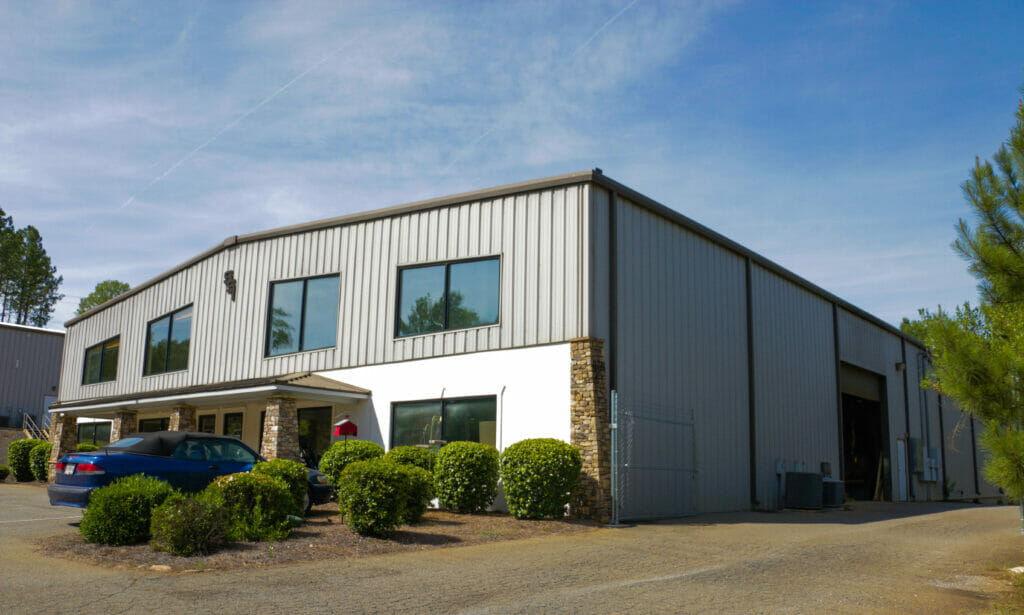
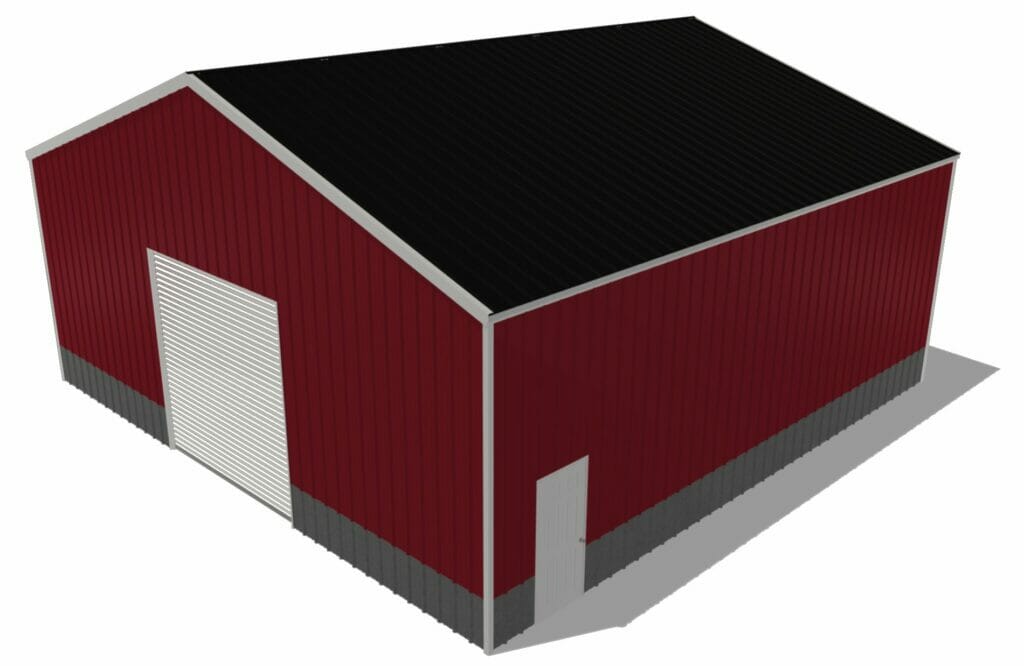
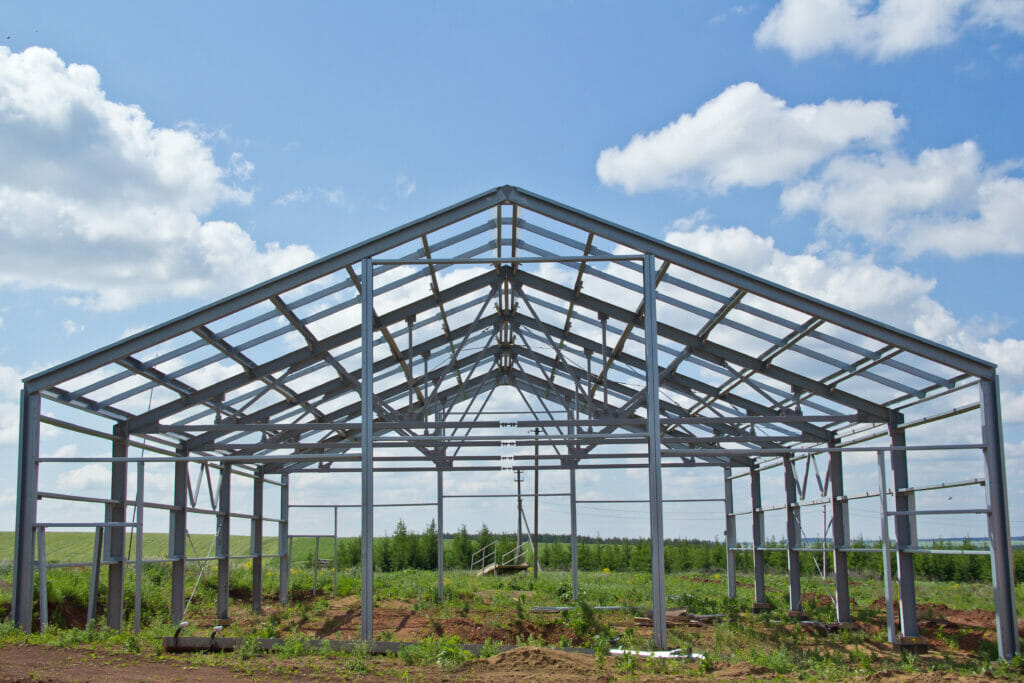
Move product faster with a cross dock steel building shell optimized for door density, trailer flow, and staging lanes. Whether you’re building a 2‑sided or 4‑sided cross‑dock, Maverick Steel Buildings designs clear‑span cross-dock steel buildings engineered to your site’s codes with foundations and drawings that keep the project on track.

Cross‑dock buildings prioritize throughput: product in, minimal dwelling, product out. That means more dock doors per square foot, efficient yard depths for 53′ trailers, and cross‑aisles that allow forklifts to run perpendicular to dock lines. A steel frame’s long spans reduce interior columns, keeping staging lanes wide and unbroken.
Effective cross docking operations rely on the right layout for the transfer of products.
Your site constraints, traffic plan, and carrier mix will help determine which option delivers the best cycle time.
Door planning drives the steel package and envelope:
Door density should match your peak trailers per hour, not just average volume.
Uniform spacing simplifies panel layout and structural bay spacing.
Levelers and seals (including vertical‑storing levelers) limit infiltration and speed turns.
Canopies protect dock equipment and crews in bad weather; coordinate canopy steel with the main frame early.


Reliable cross‑dock operations depend on apron depth, truck court widths, and trailer storage. Plan for staging lanes that keep tractors from blocking dock lines, separate employee/visitor parking, and a secure perimeter with controlled gate access. Where space is tight, consider one‑way circulation with generous radius at corners to cut backing time. For interior planning, set the steel building based on your peak load plans, not only on occupancy codes. Keep breakrooms at corners or along exterior walls to preserve cross‑aisles, and coordinate ESFR sprinklers and lighting early so clearances are respected over dock doors and staging zones.
Cross‑dock shells often concentrate openings along long elevations, so the frame must address lateral loads and diaphragm action with fewer uninterrupted wall segments. Maverick designs bracing strategies around your door pattern, wind exposure, and seismic category to maintain stiffness without sacrificing throughput. Meanwhile, costs scale with door count, canopy footage, clear height, and local code loads, but the long-term cost effectiveness of a purpose-built facility outweighs initial outlay for many in the supply chain. On the schedule side, early door and canopy decisions help Maverick finalize drawings quickly. Foundation drawings included with your kit keep slab joints, dock pits, and anchor locations aligned with the steel package so the job runs smoothly.


Modern cross‑docks lean on handhelds, scanners, and yard management systems. Leave chase routes and conduit paths along perimeter frames to keep cables out of forklift lanes. Consider exterior camera mounts and lighting brackets integrated with the steel so coverage gaps don’t appear over dock aprons. Where high‑value goods move, we’ll plan for fence posts, gates, and card readers without compromising traffic flow. High‑cycle doors and large openings don’t have to kill efficiency. Insulated panels, vestibules, and smart controls preserve interior conditions even with frequent trailer turns, making the building more energy efficient. If you’re pursuing incentives or certifications, we can help evaluate cool roof options, skylights with fall protection, and solar‑ready zones that keep penetrations organized and maintainable.
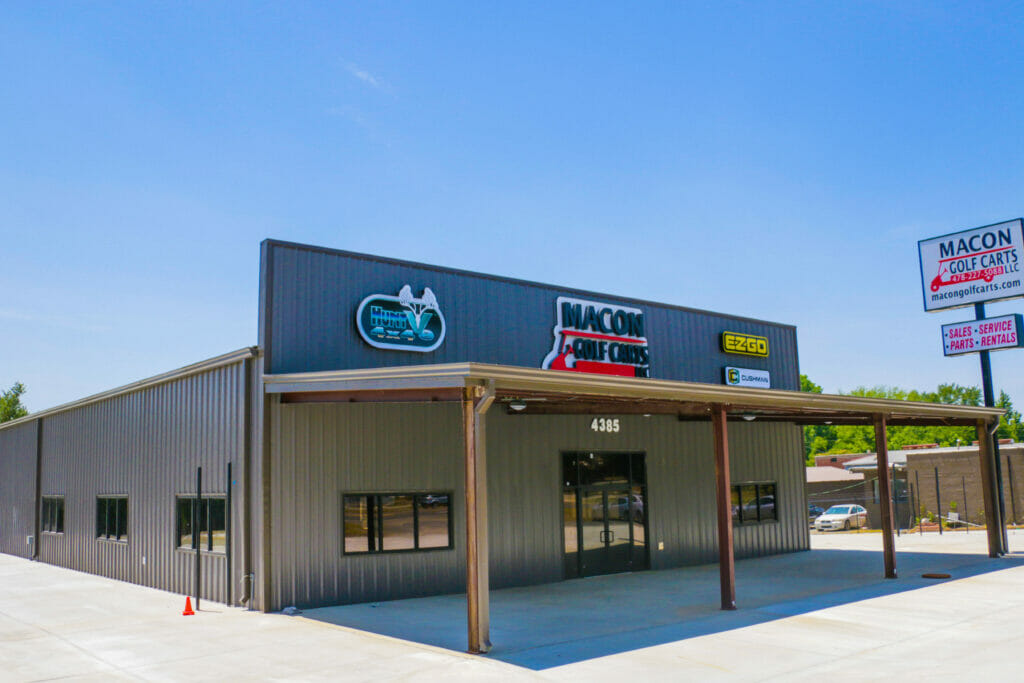


If volumes surge seasonally, design knock‑out panels and conduit stubs for temporary conveyors or small sortation islands. With a steel shell, adding doors or re‑striping staging lanes is straightforward—so your building keeps pace with your business. Before opening, walk the floor to confirm door operations, leveler travel, seal compression, and sightline signage. Verify ESFR clearance at dock canopies and confirm that yard striping and signage match the circulation plan. A short punch‑list cycle now prevents the little snags—misaligned bollards, missing guard sections—that slow a launch during peak season.
Building Custom Metal Structures Is Our Specialty.
Fast Delivery
Short turnaround time for drawings.
Full Service
Installation & Coordination in the southeast USA.
Foundation Drawings Included
Customers always receive the foundation drawings.
Premium Quality
Premium Quality Steel & parts.
Safety & Durability
Fire resistant metal buildings last a lifetime.
Cost savings
Much more cost-efficient than traditional wooden structures.
No hidden cost
100% complete quotes.
Quick & Easy
Faster and easier to construct that traditional methods.
Customizable
Attractive building finish and a wide variety of options and colors.
Maintenance Free
No need to paint or patch.
100% American Made Steel
Supporting a network of American businesses.
Environmentally Friendly
25-35% of our materials are recyclable.
Don’t want to wait?
Call now!
| Monday | 09:00 – 17:00 | |
|---|---|---|
| Tuesday | 09:00 – 17:00 | |
| Wednesday | 09:00 – 17:00 | |
| Thursday | 09:00 – 17:00 | |
| Friday | 09:00 – 17:00 |